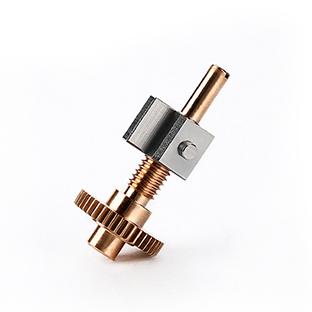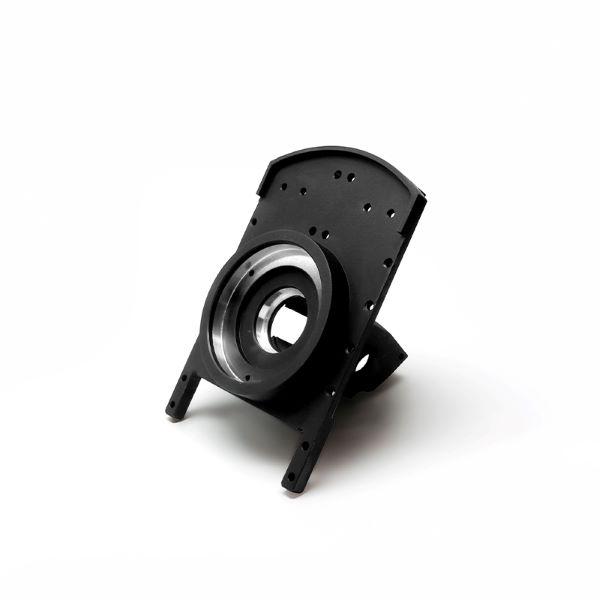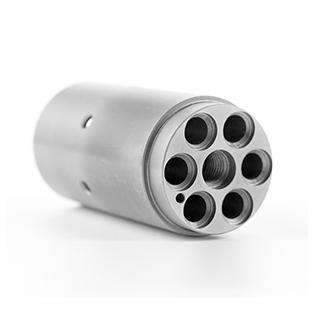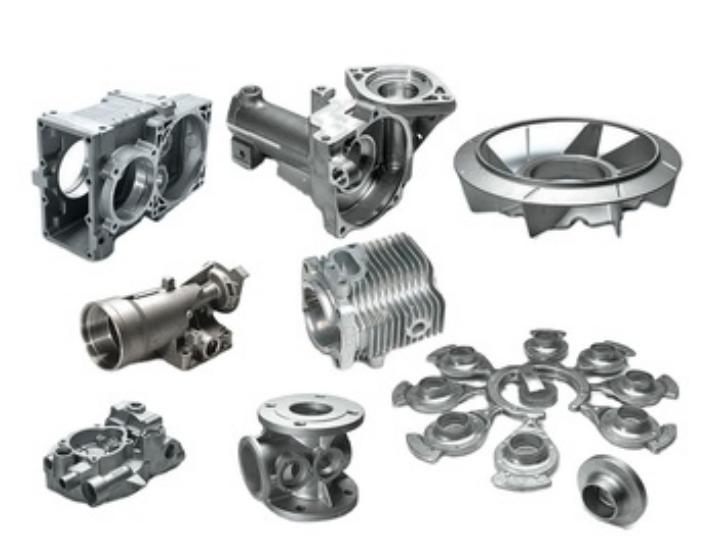
CNC machining bronze is exactly what it sounds like, cutting, shaping, and finishing bronze alloys using controlled, high-precision toolpaths. Bronze behaves differently from aluminum or steel: it's heavier, tougher in a good way, and surprisingly stable when you're chasing fine tolerances. Most shops treat it as a premium material for components that need strength without the corrosion headaches.
Bronze alloys bring a mix of density, natural lubricity, and wear resistance. The metal holds detail well, doesn't deform easily under load, and keeps its surface integrity even after long use. Depending on the alloy, phosphor bronze, aluminum bronze, silicon bronze, you get different levels of hardness, springiness, and machinability. Tool wear is steady but predictable, which machinists appreciate.
Bronze cuts cleanly when you dial in sharp tools, moderate feeds, and stable fixturing. It doesn't throw the same chatter issues as thin stainless or the gummy edges you get with soft plastics. Its dimensional stability means once a part cools down, it stays where you machined it, no random warping or post-cut surprises. That makes it a solid pick for bushings, housings, valve components, and anything with sliding or rotating motion.
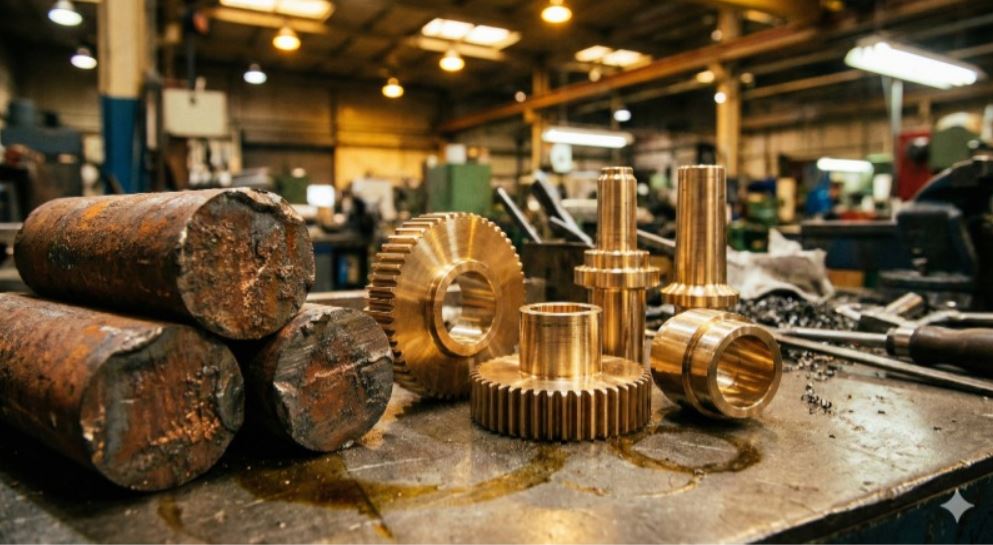
You see bronze in marine hardware, pump assemblies, bearings, gears, and heat-resistant components. Industries use it because it stays reliable in dirty, wet, abrasive environments where other metals corrode or seize. For small precision parts, bronze gives you a premium feel and a long service life with minimal maintenance.
Bronze behaves differently depending on the alloy, so the machining approach shifts a little as you move from C932 to C510 or the high-strength aluminum bronzes. But overall, it cuts cleaner than steels and doesn't fight you the way gummy brasses do.
On the lathe, bronze gives you crisp chips and predictable tool engagement. Most shops run roughing passes aggressively, bronze doesn't harden under heat the way stainless does, so you can push deeper cuts without inviting chatter. Finishing passes need a lighter hand, especially on bearing bronzes where the material is softer and can smear if you let tools rub.
Milling works equally well, provided you keep the cutter sharp and avoid babying the feed rate. Too light of a feed and the tool starts skating, which heats the edge and dulls it instantly. Bronze rewards confident chip loads. Slotting, profiling, pocketing, you can do it all without the “brass grab” phenomenon, which is a relief.
Drilling behaves differently depending on alloy hardness. Softer bronzes benefit from frequent chip breaks; harder bronzes prefer a rigid setup and flood coolant to keep the margin from galling. Split-point drills help keep wandering under control, and carbide wins the endurance race every time.
Some bronze parts clearly want milling, others fight back unless you put them on a lathe. If you're weighing the two processes, our Milling vs Turning article lays out where each one makes more sense.
Bronze isn't abrasive, but it will punish dull geometry quickly. So the rule is simple: use sharp tools and keep them sharp. Carbide is the default for any serious production run; high-speed steel only makes sense for single-ops or prototype work.
Neutral or slightly positive rake angles help keep cutting forces steady without pulling into the cut. Too much positive rake can get grabby in softer bronzes, but a well-ground edge fixes that. For milling, two- or three-flute carbide tools give the chip room to escape, especially in narrow pockets where bronze likes to pack in.
If you're chasing fine Ra numbers, polished tools make a real difference. Bronze is unforgiving when the edge starts to micro-chip; you’ll see it instantly in the surface finish. Swap tools earlier than you would in aluminum, bronze hides wear for a while, then the finish suddenly goes downhill.
Here's the part machinists actually bookmark.
Most bronze alloys cut happily in the 300–800 SFM range with carbide, depending on hardness and rigidity. Hard aluminum bronzes sit lower; phosphor bronzes and bearing alloys let you run fast without drama. Feed rates can stay surprisingly high, bronze likes a firm push so the cutter stays in the cut instead of rubbing.
A rough guideline:
Coolant isn't optional. Even though bronze doesn't work harden, heat affects tool life fast. Flood coolant keeps the chips from welding onto the cutting edge and prevents that sudden surface-finish degradation you see when temperatures creep up. For tight-tolerance bores, coolant circulation stabilizes the part temperature so measurements don’t drift mid-cycle.
Bronze basically rewards you for running like a grown-up: sharp tools, real chip load, stable temperature. Do that, and cnc bronze machining becomes one of the cleaner, more predictable materials in your workflow.
Before we get into geometry and tolerances, one thing's worth saying upfront: bronze is one of those materials that rewards good design. When you plan features around how the alloy behaves, machining becomes cleaner, faster, and more predictable.
 SUBSCRIBE TO OUR NEWSLETTER
WHATSAPP : +86-15375471059
EMAIL : allan@safekeso.com
PHONE NUMBER : +86 15375471059