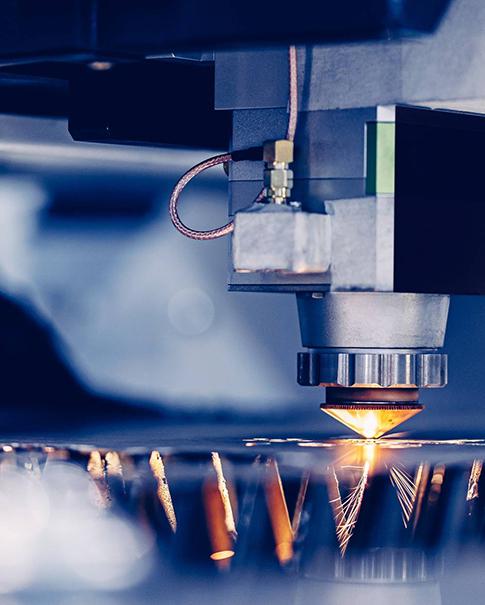
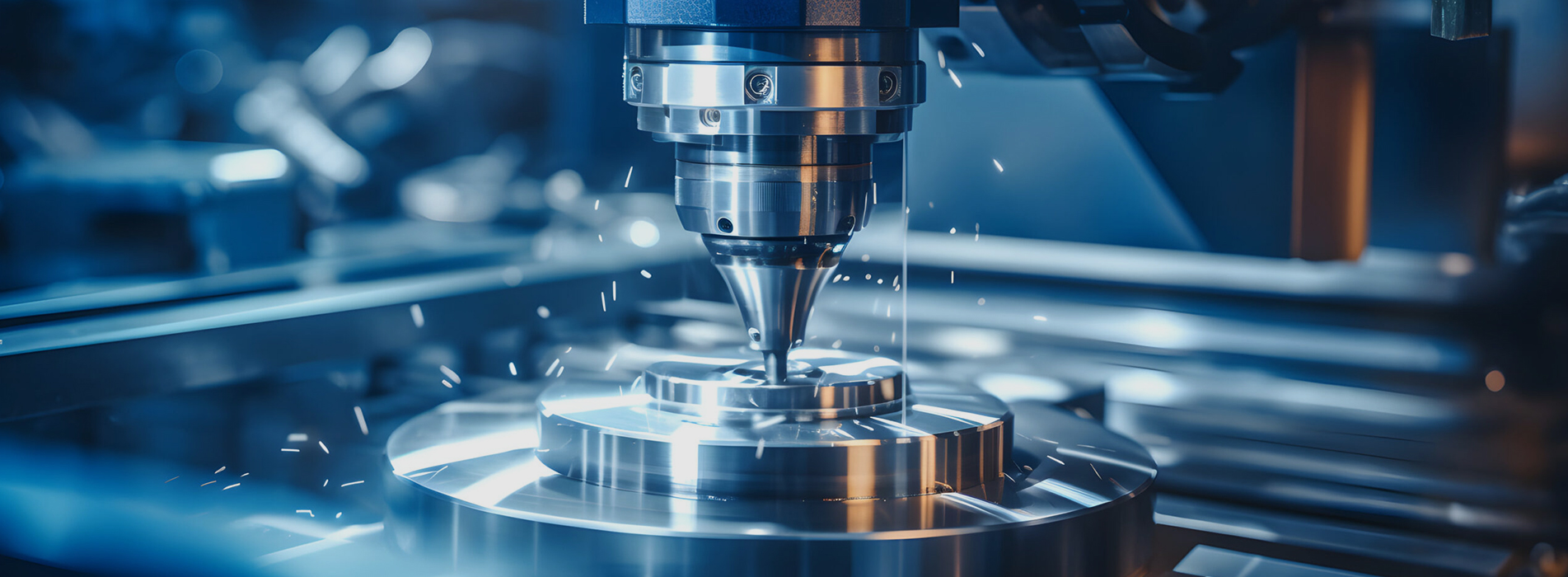
Laser marking is an essential technology in today’s precision manufacturing environment. It enables permanent, high-contrast identification on metals, plastics, ceramics, and advanced engineered materials—making it a preferred method for part traceability, branding, and regulatory labeling across countless industries. From industrial components to consumer electronics, the need for durable and high-resolution marks has never been greater.
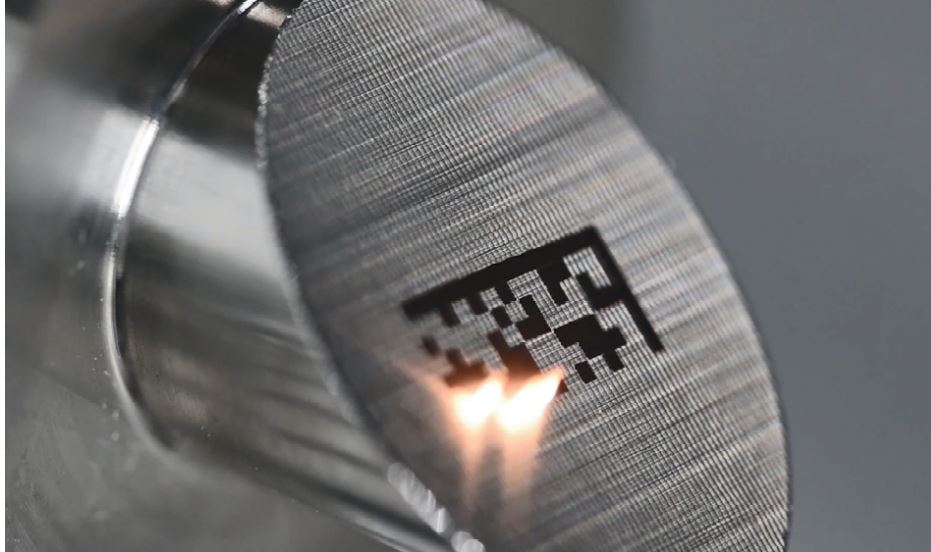
Laser marking is a precise, non-contact method that alters a material’s surface properties to create characters, symbols, barcodes, or patterns. Unlike printing or mechanical stamping, laser marking does not require consumables and does not physically distort the part.
Laser marking modifies surfaces through different mechanisms:
This controlled process ensures fine-detail markings even on miniature components, curved surfaces, and precision assemblies.
Laser marking adapts to a wide range of industrial materials:
Different materials require different wavelengths, pulse frequencies, and marking strategies to produce optimal contrast.
Laser marking offers several significant benefits:
This combination of efficiency, stability, and precision makes laser marking one of the most reliable finishing processes in modern manufacturing.
Laser engraving is a subtractive laser process that removes material to create deeper, highly durable markings. It produces grooves or cavities that remain visible even after heavy wear, chemical contact, or long-term exposure to harsh environments.
During laser engraving:
Multiple passes allow deeper engravings suitable for molds, tools, plates, and industrial components requiring long-term identification.
Compared with laser marking, engraved marks offer:
Materials like stainless steel, aluminum, titanium, copper, and brass respond well to engraving.
Laser engraving is widely used in:
Its extreme durability makes it the preferred choice for identification that must remain visible throughout a product’s lifetime.
Although laser marking and laser engraving are frequently discussed together, they serve different purposes. Understanding their differences helps you choose the ideal method for your production requirements.
Laser Marking
Laser Engraving
If the part must maintain precise dimensions, laser marking is usually recommended.
Laser engraving is more durable because of its depth. The engraved grooves remain visible after:
Laser marking is durable but not as permanent in extremely heavy-wear environments.
Laser marking is faster, making it ideal for large-volume production.
Laser engraving takes longer, increasing cost but enhancing longevity.
For mass industrial labeling, marking is often chosen; for premium or industrial-grade products, engraving may be the better solution.
Metal is the most widely used material in laser marking applications due to its stability and ability to produce high-contrast permanent marks. Different metals require unique processing strategies to achieve optimal results.
Stainless steel is ideal for annealing marking, which creates:
Used in:
Stainless steel markings remain readable even after long-term use.
Laser marking on aluminum generates clear white or light-grey contrast.
Anodized aluminum, however, delivers the strongest visual effect because the coating reacts predictably to laser energy.
Typical use cases:
Precision laser systems adapt to these challenging materials using frequency-tuned fiber lasers.
Metal laser marking ensures permanent identification even in harsh manufacturing environments.
Laser marking and laser engraving have become core technologies across industries because of their speed, precision, and reliability.
In industrial production, clear labeling is essential for automation, maintenance, and regulatory compliance. Laser marking is used for:
Engraving is preferred when components must endure continuous friction or extreme temperatures.
Laser engraving applications in consumer industries include:
Laser markings support premium aesthetics and long-lasting logo visibility.
In electronics manufacturing:
In medical devices:
 SUBSCRIBE TO OUR NEWSLETTER
WHATSAPP : +86-15375471059
EMAIL : allan@safekeso.com
PHONE NUMBER : +86 15375471059